

Exploring Nibiaa USA's IoT Innovations: Transforming Industrial Asset Tracking
In today’s fast-paced industrial world, staying ahead means embracing technology that delivers real-time insights and unmatched efficiency. That’s where IoT innovations come into play. I’ve been diving deep into how nibiaa usa is revolutionizing asset tracking and location intelligence. Their approach is not just about tracking assets; it’s about transforming entire supply chains and operational workflows with cutting-edge IoT solutions.
Let me walk you through the exciting innovations nibiaa is bringing to the table and why they matter for industries like logistics, construction equipment rental, cold chain management, and more.
The Rise of IoT Innovations USA: Why It Matters Now
IoT innovations in the USA are reshaping how businesses monitor and manage their assets. But why is this so critical? Imagine having complete visibility over your equipment, shipments, or medical supplies at any moment. No more guesswork, no more delays.
Nibiaa USA is pushing the boundaries by integrating Satellite IoT with terrestrial networks, combining nb-IoT and LoRaWAN technologies. This hybrid approach ensures connectivity even in the most remote or challenging environments, such as mining sites or port terminals.
Here’s what makes this innovation stand out:
Global Coverage: Leveraging Low Earth Orbit (LEO) satellites to extend IoT reach beyond traditional cellular networks.
Data Security: Offering edge computing solutions with NibiaaEdge, ensuring data ownership and privacy without relying on cloud hosting.
Scalability: Supporting SMBs and large enterprises alike with flexible SaaS and on-premise platforms.
This is not just about technology for technology’s sake. It’s about empowering businesses to optimize operations, reduce losses, and improve safety.

Industrial IoT sensor mounted on heavy machinery for real-time tracking
How Nibiaa’s Platform Suite Drives Efficiency and Transparency
Nibiaa’s innovation isn’t limited to hardware. Their software platforms are game-changers. Let’s break down the three core components:
1. NibiaaPlaxx - The SaaS IoT Platform
NibiaaPlaxx is a cloud-based platform designed for seamless asset tracking and location intelligence. It offers:
Real-time dashboards with customizable alerts.
Advanced analytics to predict maintenance needs and optimize asset utilization.
Integration capabilities with existing ERP and supply chain systems.
For example, a cold chain logistics company can monitor temperature-sensitive shipments in real time, ensuring compliance and reducing spoilage risks.
2. NibiaaEdge - On-Premise IoT Platform
Data security is a top priority, especially in healthcare and pharmaceutical logistics. NibiaaEdge addresses this by enabling:
Local data processing at the edge, minimizing latency.
Client ownership of data without dependency on third-party cloud providers.
Enhanced privacy for sensitive information.
This is ideal for industries where regulatory compliance and data sovereignty are non-negotiable.
3. NibiaaTraxx - Supply Chain Traceability
Traceability is crucial for mining, quarrying, and port operations. NibiaaTraxx offers:
End-to-end visibility of assets and shipments.
Automated documentation for audits and compliance.
Improved asset recovery through precise location tracking.
By combining these platforms, businesses gain a comprehensive IoT ecosystem tailored to their unique needs.
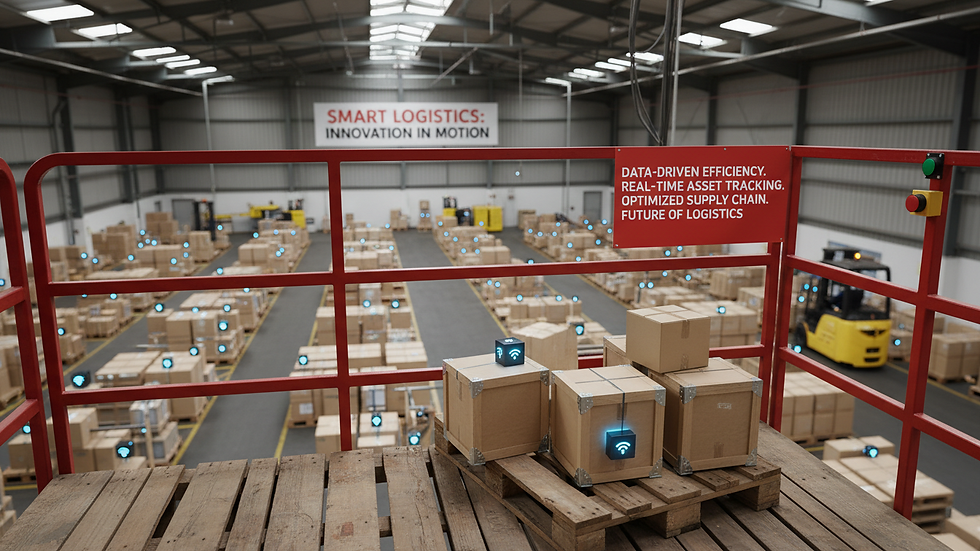
Logistics warehouse with IoT tracking devices on pallets for supply chain traceability
Satellite IoT and Terrestrial Networks: A Perfect Match
One question I often get is: How does satellite IoT really work alongside terrestrial networks? The answer lies in nibiaa’s innovative deployment strategy.
For the past five years, nibiaa has been building a terrestrial network across multiple geographies. This network uses LoRaWAN and nb-IoT technologies to provide low-power, long-range connectivity. But terrestrial networks have limitations in remote or underground locations.
Enter LEO satellites. These satellites orbit closer to Earth, enabling low-latency communication with IoT devices. By integrating satellite IoT with terrestrial networks, nibiaa ensures:
Uninterrupted connectivity regardless of location.
Cost-effective coverage without the need for extensive infrastructure.
Robust data transmission even in harsh environments.
This hybrid model is a game-changer for industries like mining and port operations, where assets often move through areas with limited cellular coverage.
Practical Recommendations for Implementing IoT Solutions
If you’re considering adopting IoT innovations like those from nibiaa, here are some practical tips to get started:
Assess Your Asset Tracking Needs
Identify which assets require real-time monitoring and what data points are critical (location, temperature, usage, etc.).
Choose the Right Platform
Decide between cloud-based (NibiaaPlaxx) or on-premise (NibiaaEdge) solutions based on your data security requirements.
Leverage Hybrid Connectivity
Use a combination of terrestrial and satellite IoT to ensure seamless coverage, especially if your operations span remote areas.
Integrate with Existing Systems
Ensure your IoT platform can connect with your ERP, warehouse management, or fleet management systems for streamlined workflows.
Train Your Team
Invest in training so your staff can fully utilize the platform’s features and respond to alerts effectively.
Plan for Scalability
Start with a pilot project and scale gradually, allowing time to optimize processes and measure ROI.
By following these steps, you can unlock the full potential of IoT innovations and drive measurable improvements in efficiency and safety.
Looking Ahead: The Future of IoT in Industrial Applications
The future is bright for IoT in industrial sectors. With companies like nibiaa leading the charge, we can expect:
More intelligent edge computing to reduce latency and enhance data privacy.
Expanded satellite IoT networks providing global coverage for even the most remote assets.
Smarter analytics powered by AI to predict failures and optimize asset usage.
Greater interoperability between IoT devices and enterprise systems.
As these technologies evolve, businesses will gain unprecedented control over their operations. Imagine a world where every piece of equipment, every shipment, and every critical asset is connected, secure, and optimized for peak performance.
If you want to stay competitive, embracing these innovations is no longer optional - it’s essential.
Exploring the innovations from nibiaa usa has shown me how IoT can truly transform industrial asset tracking. Whether you’re managing a fleet of construction equipment or overseeing pharmaceutical logistics, these solutions offer practical, scalable ways to boost transparency, efficiency, and safety. The future of IoT is here, and it’s smarter, more secure, and more connected than ever before.


Comments