

How Precision Tools are Shaping the Future of Farming
The agricultural landscape is undergoing a tremendous transformation thanks to advancements in precision tools. These modern innovations are enhancing farming practices, leading to increased efficiency and productivity. By utilizing precision tools, farmers can make informed decisions that significantly impact crop yields and resource management.
Understanding Precision Tools
Precision tools in agriculture refer to a range of technologies that improve farming operations by providing accurate, real-time data. These tools include GPS technology, drones, soil sensors, and automated machinery, among others. They empower farmers to monitor their fields more closely, applying water, fertilizers, and pesticides only where they are needed. This targeted approach not only boosts productivity but also helps conserve resources and reduce costs.

An example of how precision tools work can be seen with GPS-guided tractors. These vehicles are equipped with technology that allows them to navigate fields with incredible accuracy, minimizing overlap during planting and harvesting. As a result, farmers can optimize their field layouts and decrease labor hours and input waste.
The Impact of Precision Tools on Crop Management
Precision tools are revolutionizing crop management by enabling farmers to gather and analyze vast amounts of data. By using sensors that measure soil moisture, temperature, and nutrient levels, farmers can assess the condition of their crops and identify potential problems early on.
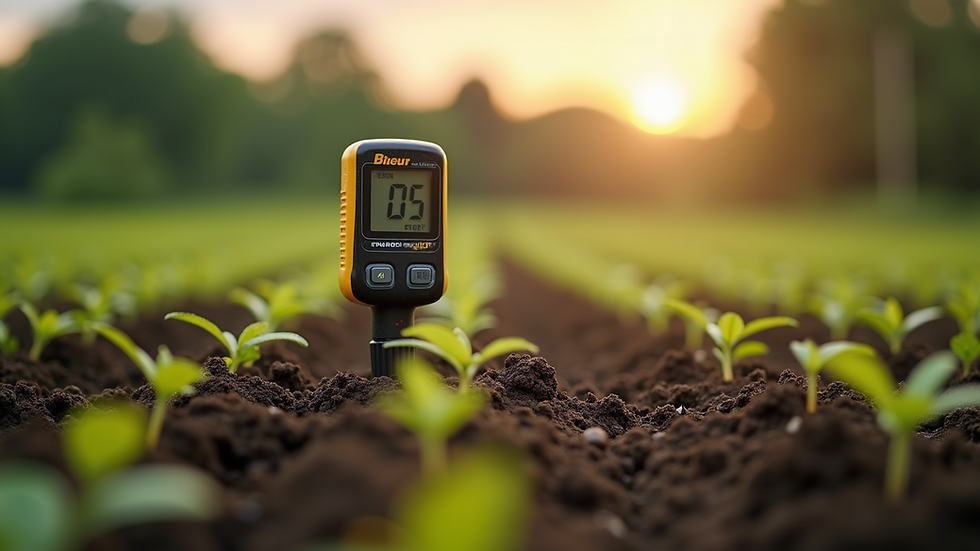
For example, soil sensors can alert farmers when moisture levels drop, prompting them to irrigate specific areas rather than the entire field. This targeted irrigation not only conserves water but also ensures that crops receive the right amount of water at the right time, leading to healthier plants and improved yields.
Enhancements in Pest and Disease Control
Precision tools can also play a crucial role in pest and disease management. With the advancements in technology, farmers can utilize drones and imaging systems to spot infestations or disease outbreaks before they severely affect crops. These tools can capture high-resolution images of fields, allowing farmers to identify problem areas quickly.
Farmers can then apply pesticides or biological controls precisely where they are needed, rather than covering entire fields. This approach reduces chemical usage, lowers costs, and is more environmentally friendly. Studies have shown that farms using precision pest control methods can reduce their pesticide use by 30%-50%, significantly decreasing their environmental footprint.

The Role of Data Analytics in Farming
Data analytics is the backbone of precision agriculture. With farm equipment becoming increasingly connected to the Internet, farmers now have access to vast amounts of data at their fingertips. This information can be analyzed to identify patterns, forecast yields, and improve decision-making processes.
Farm management software can integrate data from various sources, such as weather forecasts, soil data, and market trends. This comprehensive view allows farmers to make well-informed choices regarding planting schedules, crop rotations, and even pricing strategies. As farmers become more adept at utilizing data analytics, they are likely to increase their operational efficiency and profitability.
IoT precision agriculture is a powerful trend in this space, enabling devices to communicate with each other and enhance overall farm management. By employing this technology, farmers can monitor their operations in real-time, enabling swift responses to any issues that may arise.
Sustainable Practices Through Precision Tools
Sustainability is at the core of modern agriculture, and precision tools contribute significantly to sustainable farming practices. By utilizing these innovative technologies, farmers can reduce their ecological footprint while maximizing their productivity.
For instance, using precision irrigation systems leads to more efficient water use, conserving this precious resource. Similarly, by reducing pesticide application through targeted methods, farmers can protect beneficial insects and maintain soil health. Additionally, precision tools can help in developing more resilient crop varieties, thus enhancing the sustainability of farming practices.
Farmers investing in precision technologies are not only ensuring their agricultural future but also contributing to the well-being of the environment and society as a whole.
Looking Ahead: The Future of Precision Agriculture
The future of precision agriculture is exciting and filled with potential. As technology continues to evolve, we can expect new innovations that make farming even more efficient and sustainable. Areas to watch for potential advancements include:
Artificial Intelligence (AI): AI can offer predictive analytics to enhance decision-making, considering factors like weather conditions and market fluctuations for optimal crop management.
Robotics and Automation: Autonomous farm machinery and robots could perform tasks such as planting, weeding, and harvesting, reducing the need for labor and improving efficiency.
Satellite Technology: Continued advancements in satellite technology will allow for more precise monitoring of large agricultural areas, providing farmers with critical insights into crop health.
As these technologies continue to develop, they will further shape the next generation of farming, making it smarter, more efficient, and ultimately more sustainable.
The process of integrating precision tools into agriculture not only supports farmers' productivity and profitability but also fosters a more sustainable practice that is crucial for the future of global food security.
In summary, precision tools are truly revolutionizing the farming sector. By leveraging data analytics, crop management techniques, and sustainable practices, farmers can ensure they are equipped to face the challenges of tomorrow's food demands. Farming is no longer just about the land; it's about the tools and technologies that empower farmers to cultivate more efficiently and effectively.


Comments